5G Network Lab
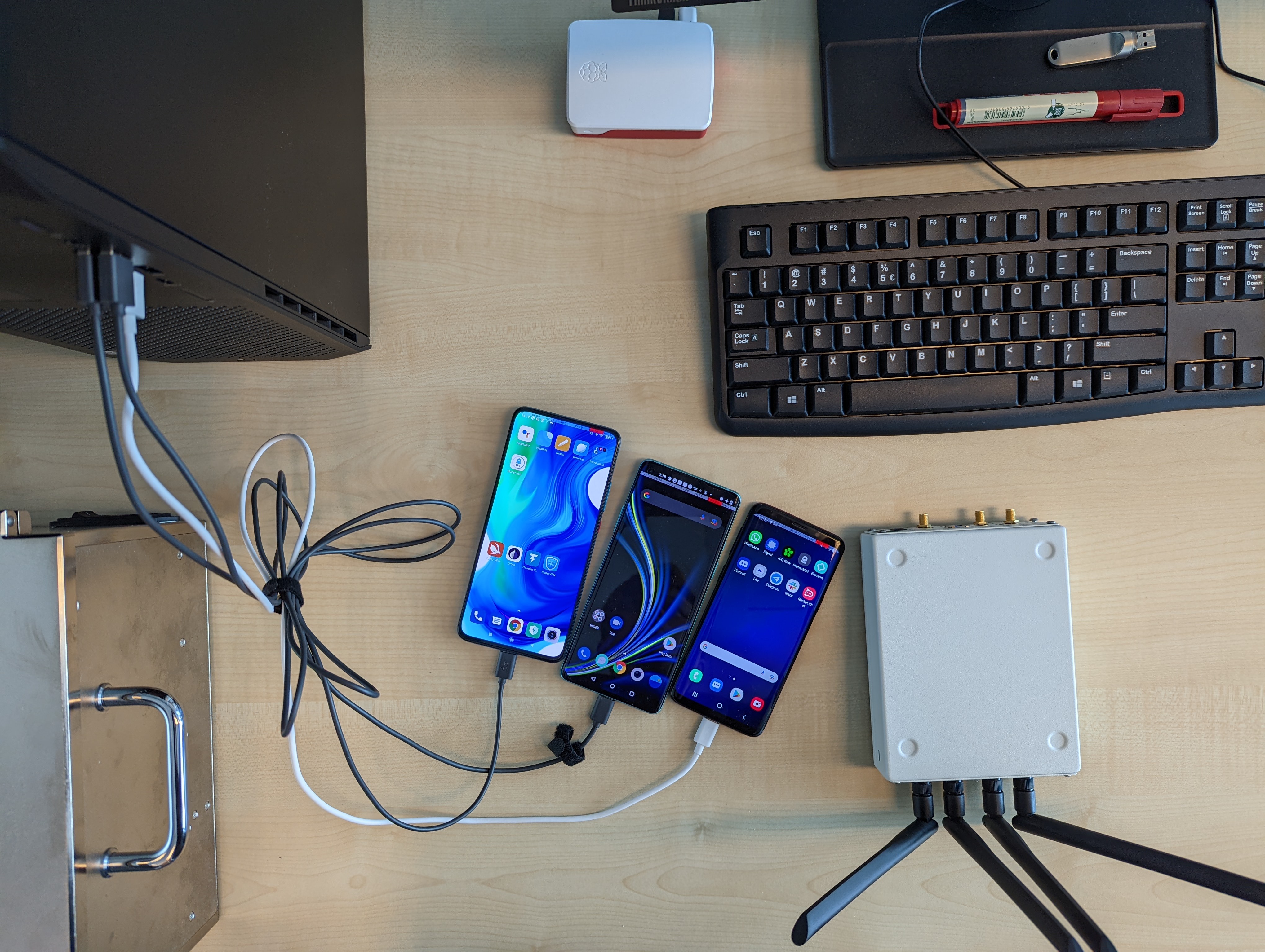
Controlling Custom Devices
Our setup includes various custom off the shelf smartphones. They cover different operating system versions, hardware capabilities, and mobile network generations.
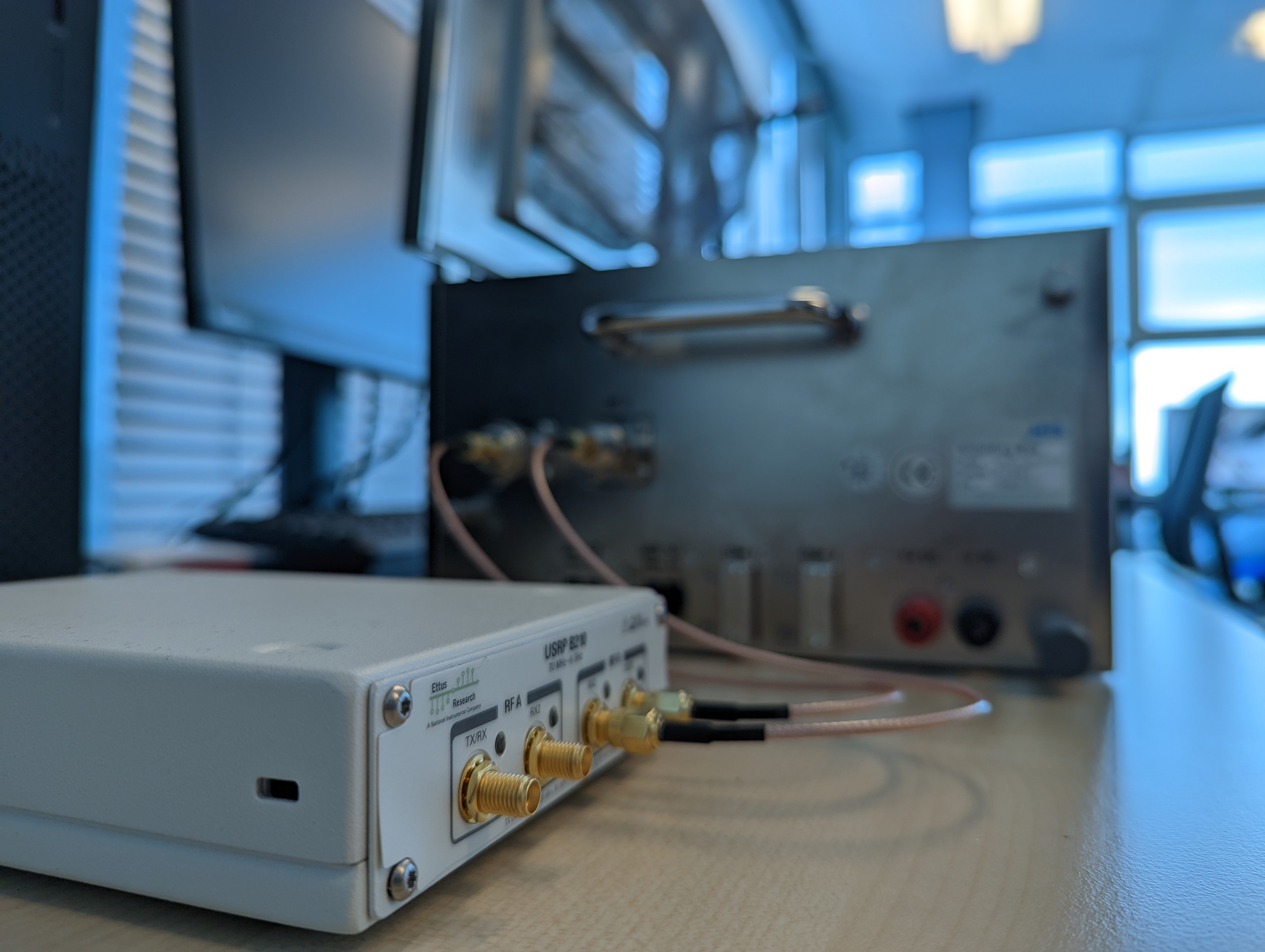
Software Defined Radios
Software defined radios allow us to run our own mobile networks. With open-source software stacks we can manipulate the network and conduct different experiments.
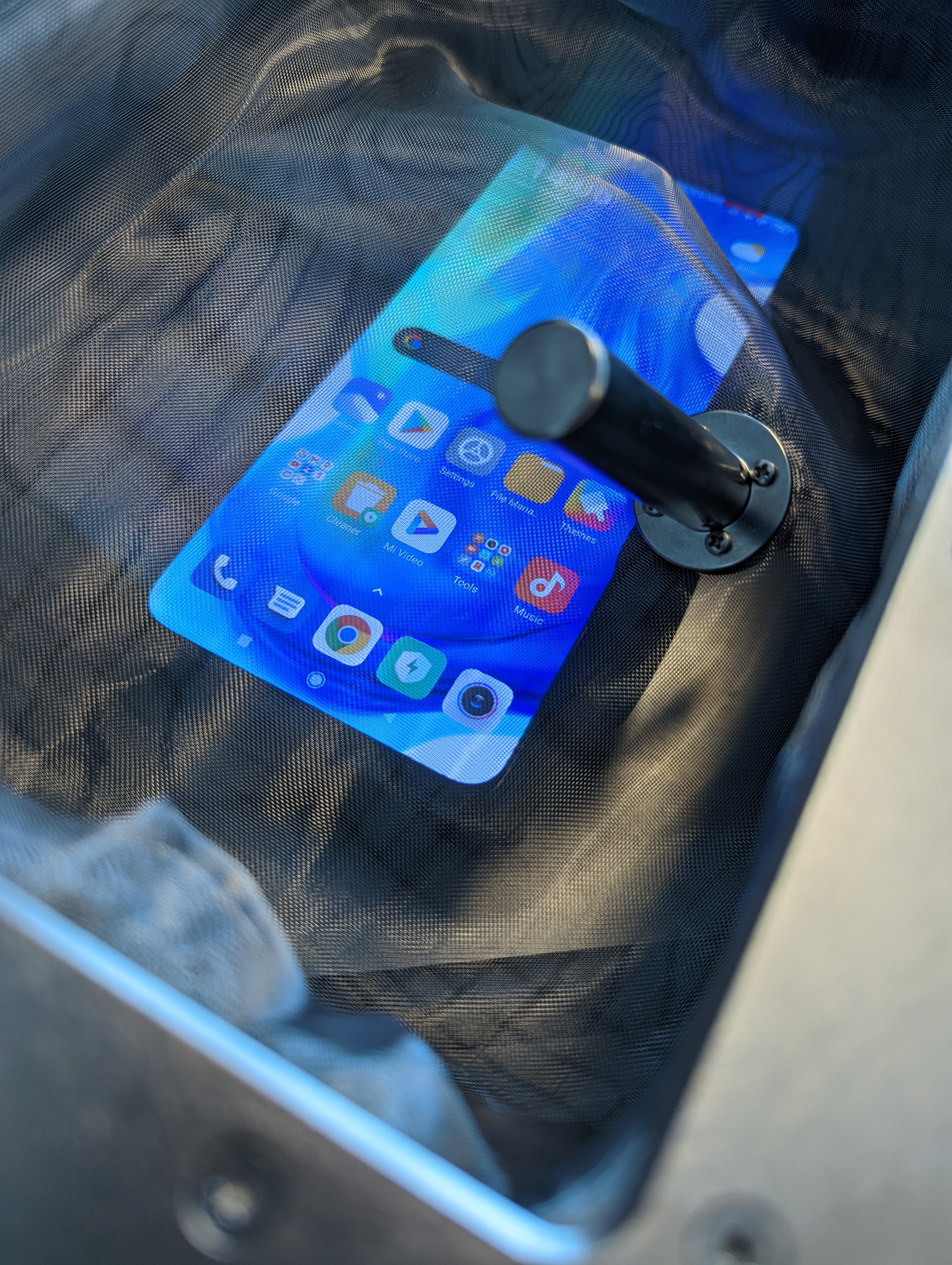
Shielding Box
A shielding box allows us to put a device in a controlled environment. The box keeps undesired signals out and only forwards our own network signal.
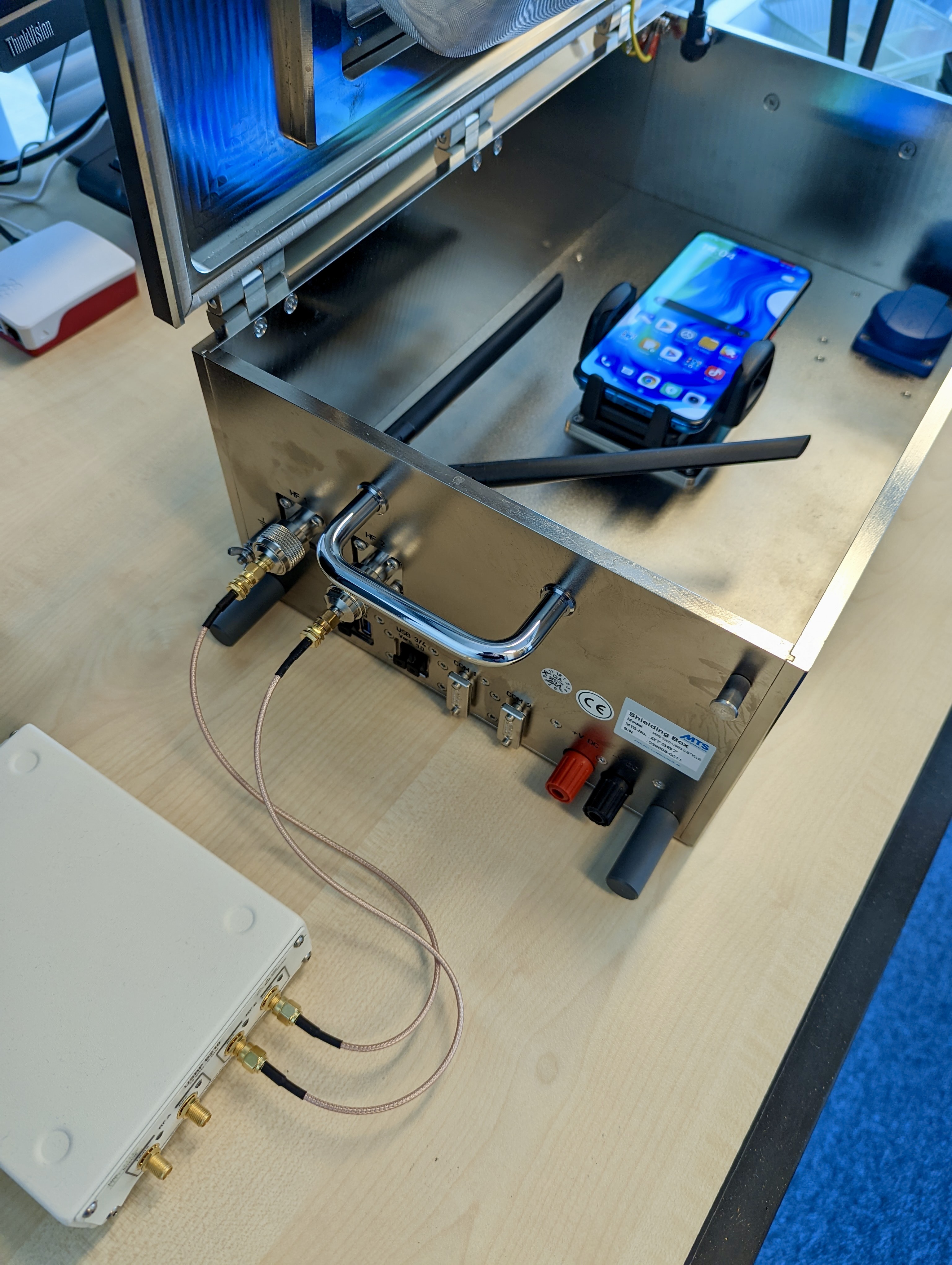
Lab Setup
The controlled lab setup makes it possible to test different sophisticated attacks and countermeasures while being in full control of the setup.
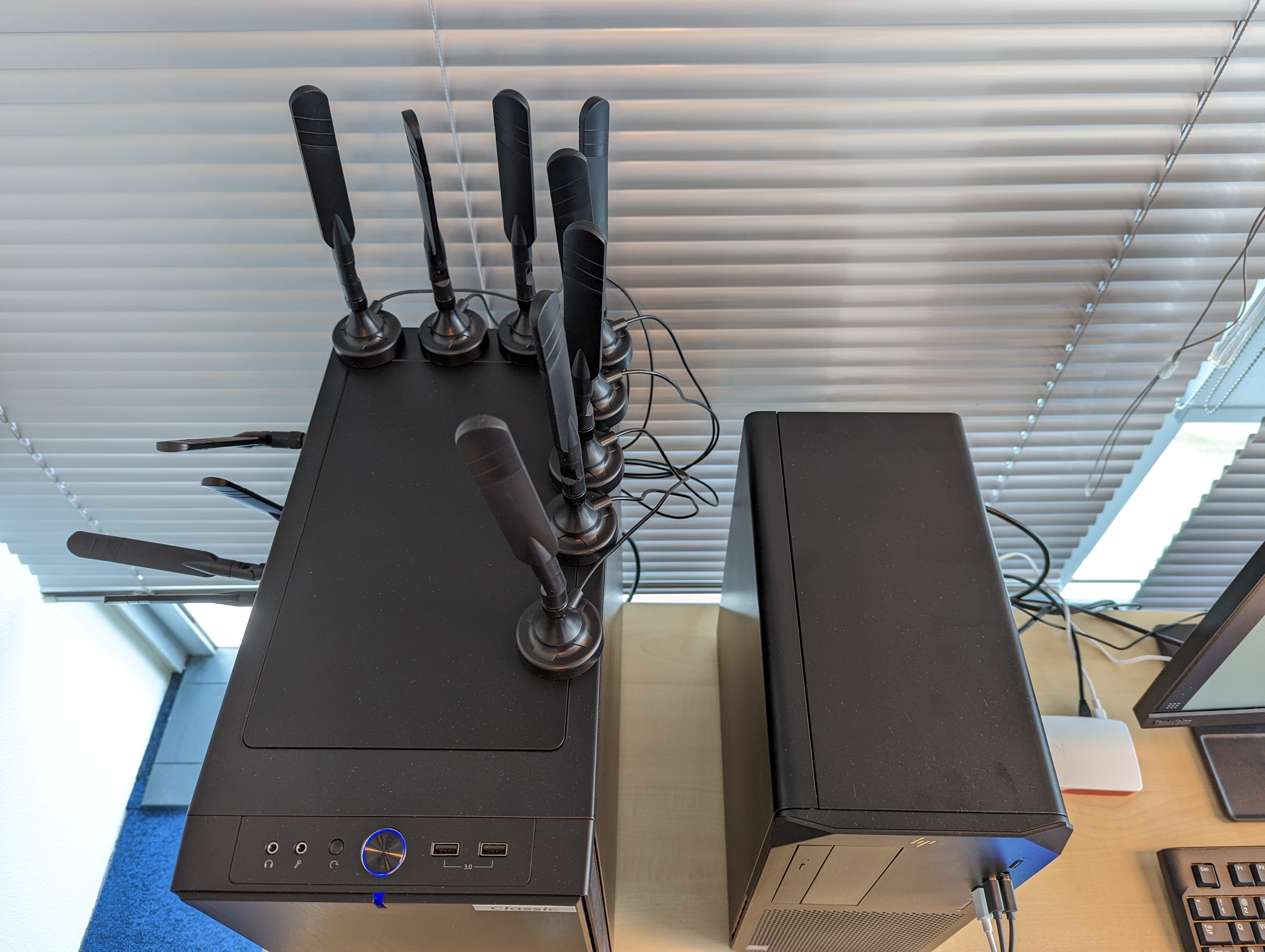
Callbox
Besides our self-maintained networks, we also use an Amarisoft Callbox. It implements 4G and 5G networks and can be fully configured. While it is closed source, it provides us with a stable reference network.
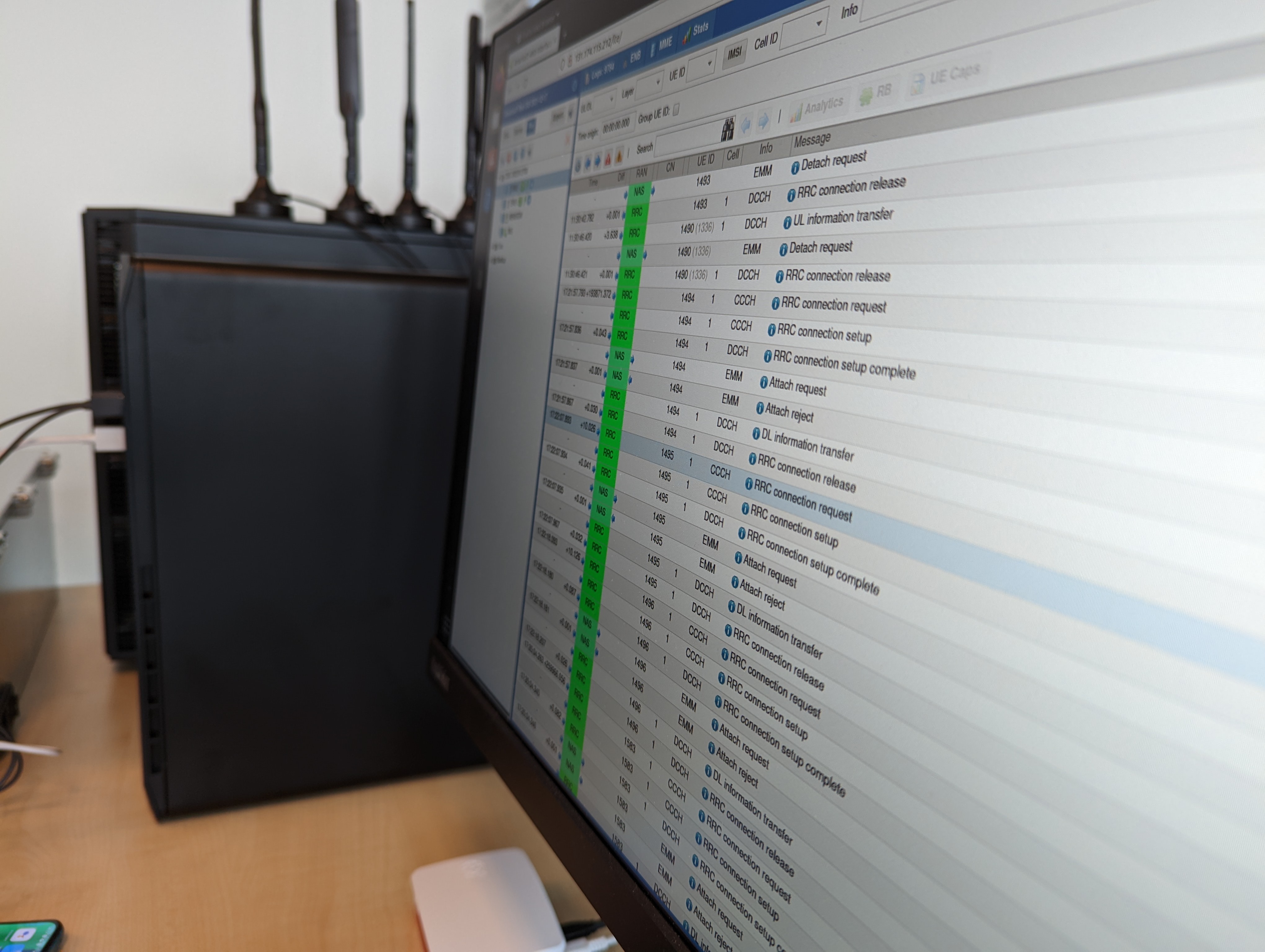
5G Experiments
The Callbox implements the full stack and even allows for emulated radio connections. It completes our mobile network lab and enables 5G standalone measurements.